Denim Tears in 2026: Where to Buy Without Getting Burned
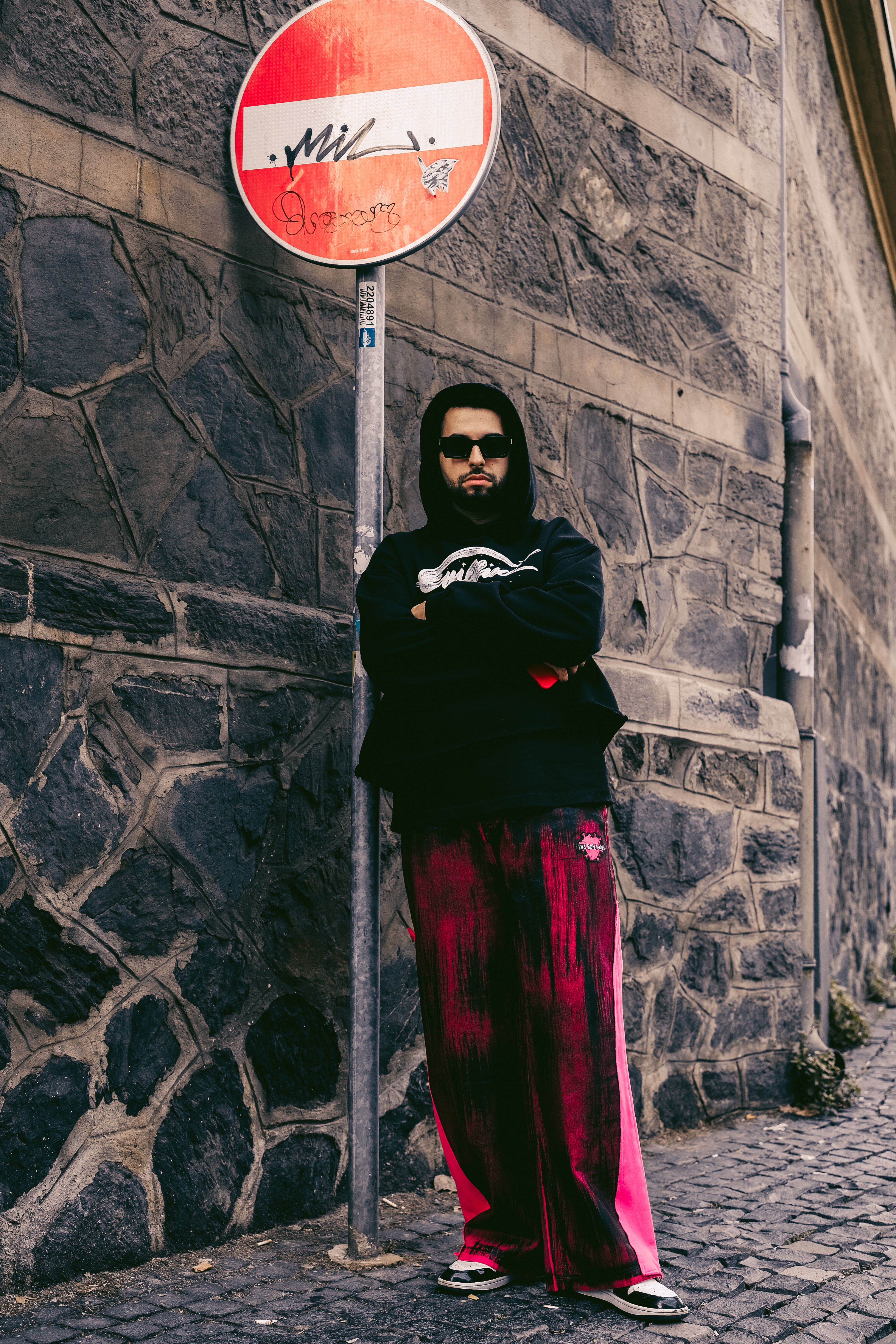
Denim Tears has never been a simple thing to buy, and 2026 has not changed that. The label Tremaine Emory founded in 2019 still releases in short, irregular bursts instead of a predictable seasonal calendar, so the piece you want may sell out before you finish reading about it. That scarcity built an vast resale market, and along with it a steady supply of counterfeits, bait listings and sellers who vanish once payment clears. The encouraging part is that the risks are boringly predictable, and predictable risks are handled by a checklist. Below is a run through the four realistic channels, what each one costs in money and patience, and the checks that tell a clean purchase apart from an expensive lesson. Every figure below is a 2026 market estimate, not a fixed quote.
Comparing the Four Channels
Almost every legitimate purchase in 2026 comes through one of four routes, and they vary far more in risk than in price. The cheapest entry point is the official webstore, and also the hardest to convert into a delivery. Authorised stockists, meaning boutiques and department stores that stock the label alongside other designers, sit at retail parity with far calmer checkout pages. The big resale platforms https://blackdenimtearshoodie.com/ cost more but remove the availability problem, with the better ones inspecting goods before they reach you. Private sellers on social platforms make up the last tier, where both the best prices and the worst outcomes are found. The table below squeezes these trade-offs into something you can scan before opening a single tab.
| Channel | Typical 2026 price level | Availability | Main risk to manage |
|---|---|---|---|
| Official web shop | Retail level, hoodies about $250-400 and jeans about $300-500 | Low — stock lasts minutes per drop | Bots, cart timeouts, bogus “restock” alerts |
| Authorised retailers | Retail, occasionally 20-40% off in end-of-season markdowns | Moderate — sizes disappear fast | Short size runs, restricted colourways |
| Major resale platforms | Around 1.1x-2.5x retail, depending on the piece | High — stock is nearly always there | Fees, inflated asking prices, uneven condition grading |
| Private and social-platform sellers | From below retail all the way to well above it | Wildly inconsistent | Counterfeits, no recourse, payment fraud |
Going Direct and Learning the Drop Rhythm
The official webstore is where a Denim Tears hoodie is cheapest, and where you are least likely to receive a fake. It is also where the most is asked of you: short lead times, and popular sizes sold through in single-digit minutes. Register an account and save shipping and billing details days ahead, since entering an address at checkout is often what separates a confirmation email from an empty cart. Be signed in on the device and browser you will actually use, and forget the five-tab hedge — most carts here are account-level, not tab-level. When a drop sells out, do not act on the first restock rumour: fake restock posts are a common phishing hook aimed at this audience in 2026. Waiting pays: core pieces like the cotton wreath sweatpants and tees return more often than collaboration items do.
Authorised Stockists: The Underrated Calm Route
Multi-brand boutiques and larger fashion retailers carry Denim Tears each season, and they are the most underused way to buy at retail. Their traffic spreads across dozens of labels, so a stockist page rarely collapses under the load that hits a single-brand drop. Deliveries also land later, which is why a piece that vanished from the official store on a Friday can surface at a stockist two or three weeks on. Markdowns of roughly 20-40% do turn up at end of season on slower colourways, especially shorts and lighter tees once summer ends. The trade-off is selection: stockists take only a narrow slice of a collection, so the piece you want may come in two sizes and one colour. Check the retailer’s returns policy first, since a 14-day policy on a $400 pair of denim tears jeans is worth real money when the fit is wrong.
Paying More To Remove the Waiting
In 2026 resale is, for most people, the first stop rather than a backup, since it is the only place last season’s pieces still exist in your size. Reckon on roughly 1.1x to 2.5x retail depending on the release, with archive Levi’s collaboration denim sitting at the top of that band and seasonal fleece near the bottom. The bigger platforms operate inspection and authentication steps, which is the biggest reason to accept the markup rather than fight it. Give the condition notes the same attention as the price, because “used – excellent” may still mean softened cuffs and a print that has lost density. Factor in fees, shipping and any import duty before calling a listing a bargain, as they routinely add 15-25%. Take a screenshot of the listing and stated condition the moment you buy, since that record is what any dispute turns on.
Best Prices, Worst Protection
Group chats, forums and social marketplaces throw up the occasional below-market piece and host nearly every serious loss. There is no inspection step, no escrow by default and often no checkable history behind the account. Ask for live photos of the actual garment rather than stock images: neck label, internal wash tag and a close crop of the cotton wreath print edge. Ask for a photo beside a handwritten note with your name and the date, a low-effort request fraudulent sellers almost never satisfy. Never move payment to a friends-and-family transfer or a bank wire, because they exist precisely to remove your ability to reverse the charge. Where the price sits more than about 40% below the going resale rate, take the discount as a red flag rather than a draw.
Timing: When Prices Ease
This brand’s prices swing with the seasons, in patterns that are simple to work with once you recognise them. Heavyweight fleece — hoodies and sweatpants — peaks from October through December, when demand and gifting overlap, and typically eases through late spring. Summer stock and denim tears shorts run the opposite curve, climbing from April into July and drifting down once autumn deliveries land. The weeks straight after a major drop are usually the worst time to buy on resale, since hype pricing has yet to collide with how many units actually shipped. Roughly four to eight weeks later, listings multiply and asks come down as flippers who did not sell instantly start competing with each other. With no deadline in play, a winter hoodie bought in May and summer shorts picked up in October is the least sophisticated and most reliable saving on offer in 2026.
The Pre-Payment Checklist
Whichever channel you settled on, run through this before money leaves your account. Five minutes is all it takes, and it heads off the overwhelming majority of bad purchases. None of it demands expertise, only the discipline to follow it while you are still caught up in the piece. If a seller pushes back on a single item on the list, that reluctance is your answer. Save it to your phone — you will need it precisely when you are rushing. Be aware that shoppers search as denimtears or denim tear shirt, and counterfeit listings rely on exactly those compressed spellings to sidestep trademark sweeps.
- Have the seller’s return window and who covers return shipping agreed in writing.
- Hold the listed price next to at least three live listings for the same piece and size.
- Get close-up shots of the neck label, care tag, hem stitching and print edges.
- The wash tag’s fabric composition and country of manufacture should match the era of the release.
- Buyer protection is non-negotiable: under no circumstances a wire or an irreversible peer transfer.
- Store the listing, the chat log and the tracking number until the item is with you and verified.
How It All Adds Up
For a first Denim Tears purchase, a sensible 2026 budget sits between $150 and $450, according to whether you start with a tee, a denim hoodie or the jeans. Retail through the official store or a stockist is the least expensive route and means trading convenience for price. Resale costs more but buys you choice, size availability and, on the bigger platforms, a genuine authentication layer. Private sales are the gamble, and they are worth taking only when you can check the garment properly and pay through a channel that can get the money back. The brand’s core motif carries serious historical weight: the cotton wreath references the history of cotton, the transatlantic slave trade and African-American experience, and buying from sources that respect the label’s own supply chain matters more here than with an ordinary streetwear purchase. Decide your channel first, your budget second and your deadline last, and the odds of getting burned drop to almost nothing.